Victorian Garden Design
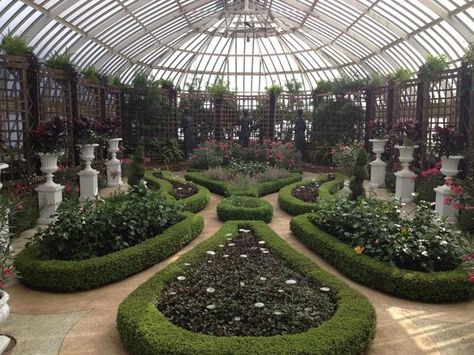
The Victoria age is when gardening rose in popularity between the upper and middle upper class dwellings in England. Lawns were used for leisure, and considerable pride was taken into caring for them.
Flowers
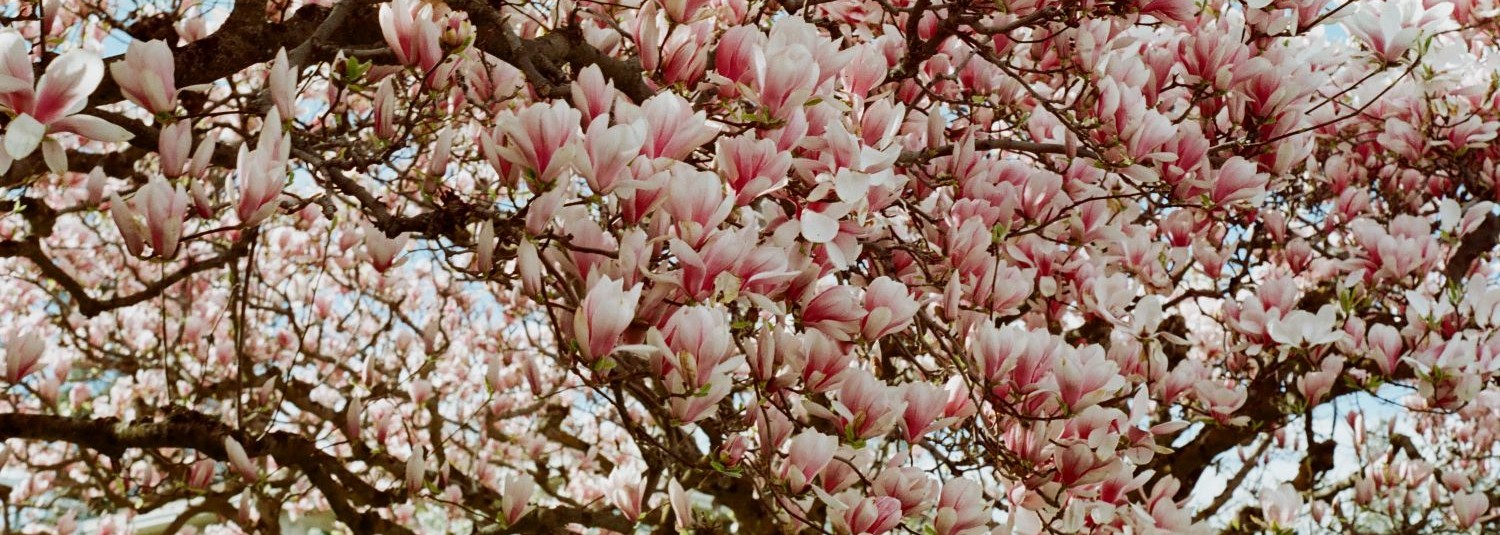
Alyssums, Ageratum, Asters, Caladium, Campanula, Clematis, Chrysanthemums, Coleus, Delphinians, Daylilies, Dianthus, Honeysuckle, Hosta, Lobelia, Marigolds, Moonflowers, Moss Rose, Nasturtiums, Oxalis, Periwinkle, Petunias, Primrose, Snapdragons, Violets, Wisteria, and Zinnia.Cut flowers like Azaleas, Carnations, Daisies, Geraniums, Roses, Ferns and Lily of the valley were frequent in Victorian gardens.
Carpet Bedding
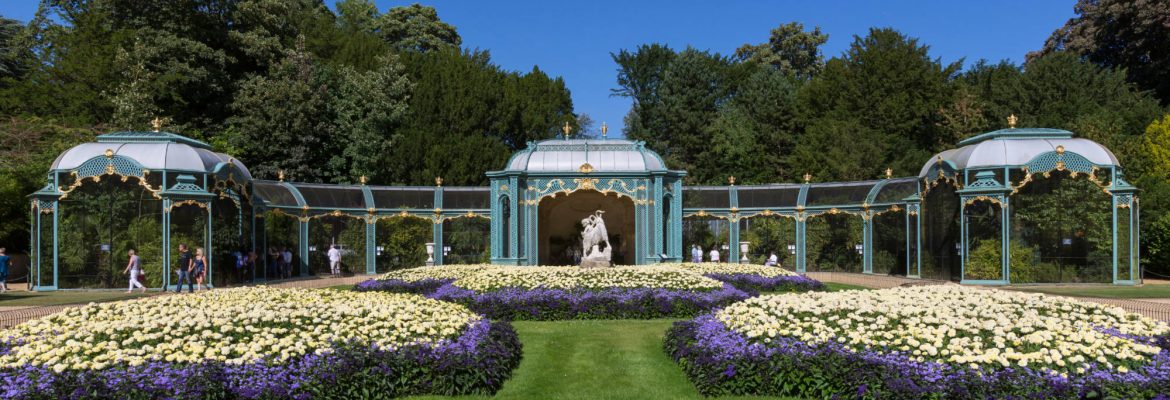
These are flower beds covered with low growing flowering plants, in the same color, height, and may be planted in designs, or motifs. Designs can be in geometric shapes.
Victoria Flower Beds
Acasia, Ageratum, Amaranthus, Aster, Bluebell, Black-Eyed Susans, Caladium, Calendula, Campanula, Chrysanthemum, Coleus, delphinium, lupines, Dianthus, Dusty Miller, Fuschia, Geraniums, Heliotrope, Lobelia, Marigold, Mignonette, Morning Glory, Nasturtium, Periwinkle, Petunia, Roses (miniatures), Snapdragons, Sweet Alyssum, Tuberous Begonia, Verbena, and ZinniasOrnaments would decorate the yards of Victorian gardens, with birbaths, sundials. Fountains and ponds with lilies floating throughout, surrounded by stone benches would complete the atmosphere for a garden tea.
Structures
In the upper class parcels it wouldn't be uncommon to come across a aviary, glass greenhouses or conservatories.