Roman Garden Design
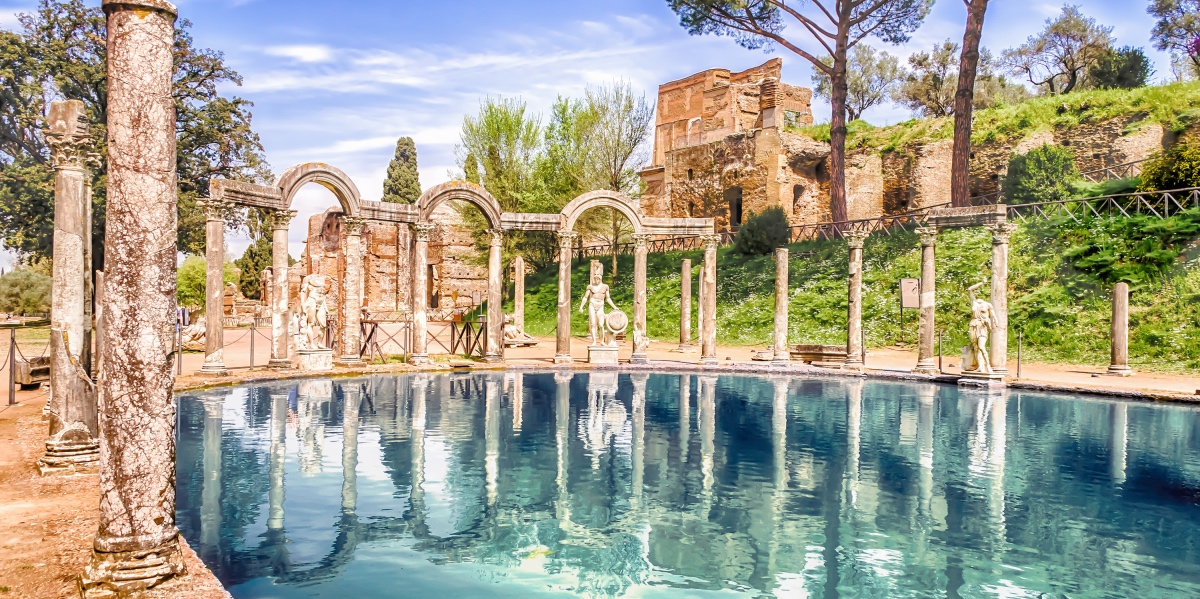
Roman villas used gardens as a stage, a way to control water using aqueducts and pools. Between the 1st BCE and 4th BCE century, lush gardens were unavailable on to the elite, as many gardens were open to the public. Lush gardens with topiary, and colonnades that characteristed contrast, shading and processions.
Trees
Citrus: Lemons, Limes, oranges, tangerines and fig trees characterize Italian gardens. Narrow, tall trees like the Skyroket Juniper.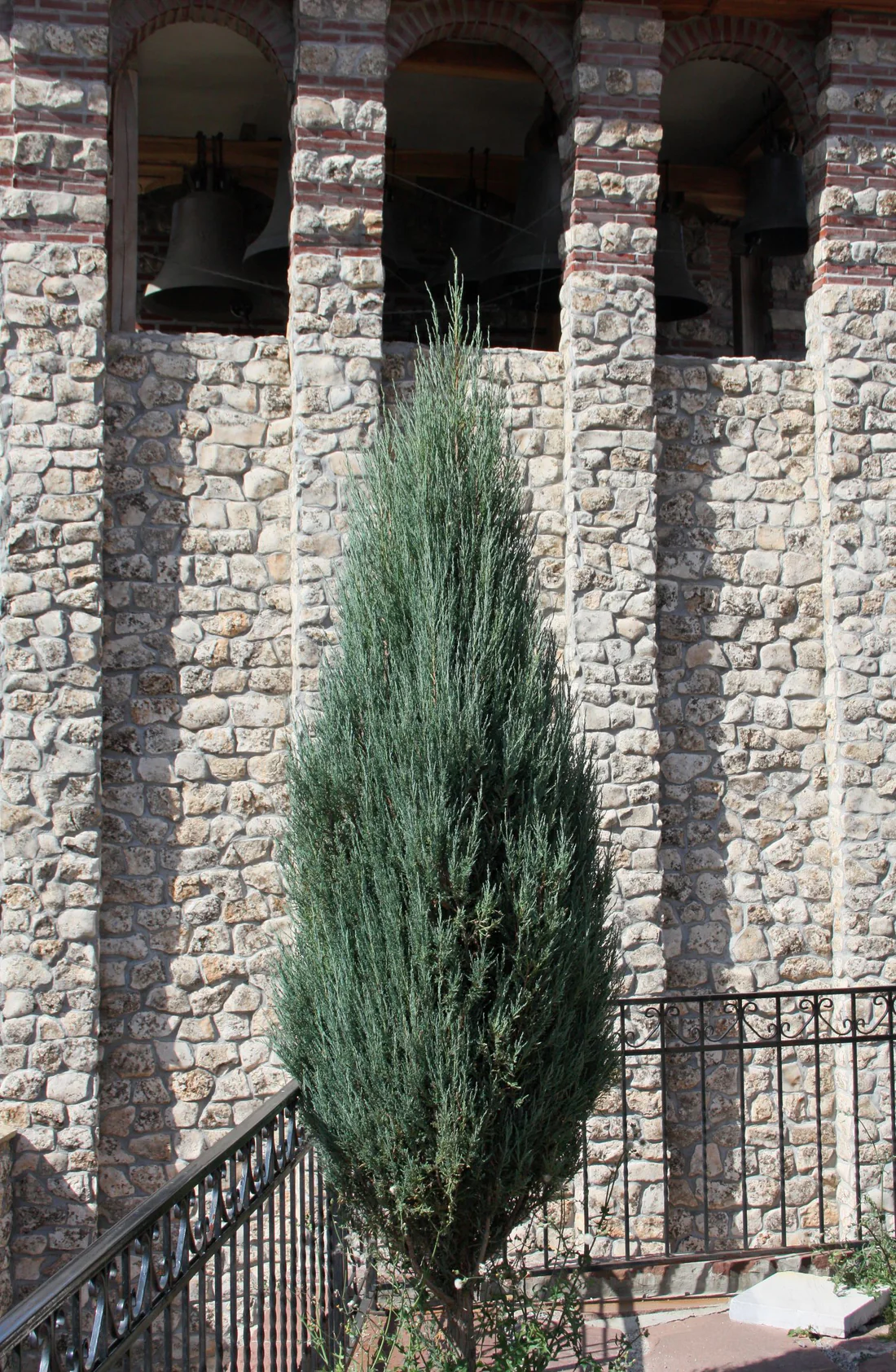
Vines
There are over 6,000 species of grape varietles in Italy today, the vines were used to for shaded pergolas, and wine making.
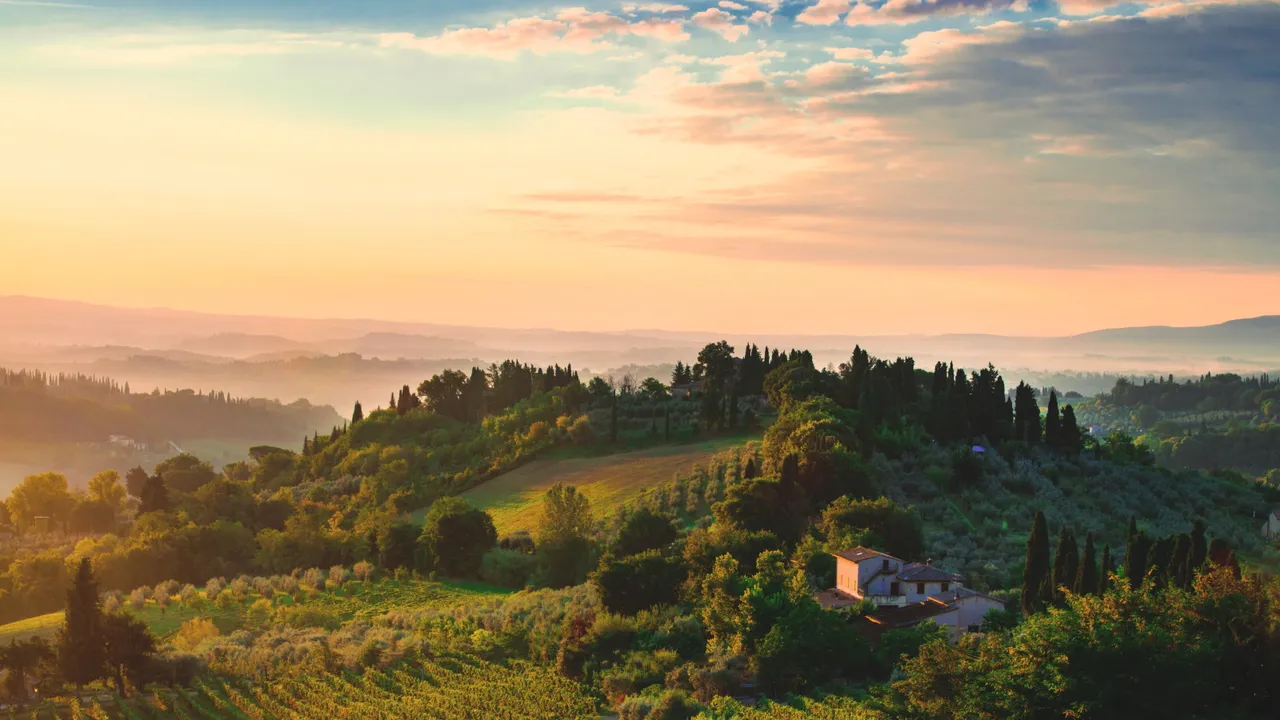
Roman styled gardens celebrated art, architechture and seperated itself from natural landscapes. It was a period that could be distinguished as an urban countryside setting.
Atrium
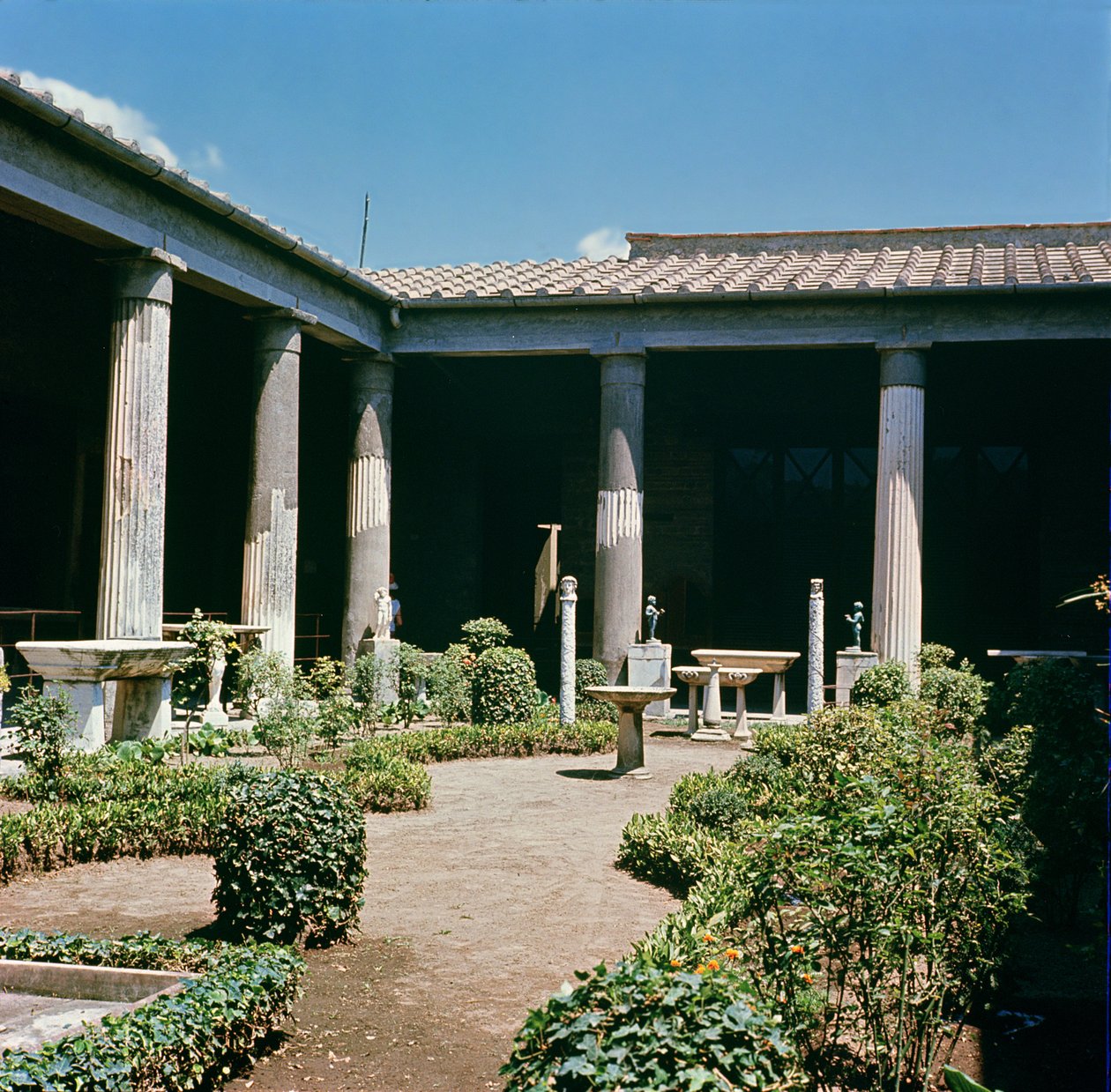
Perystle
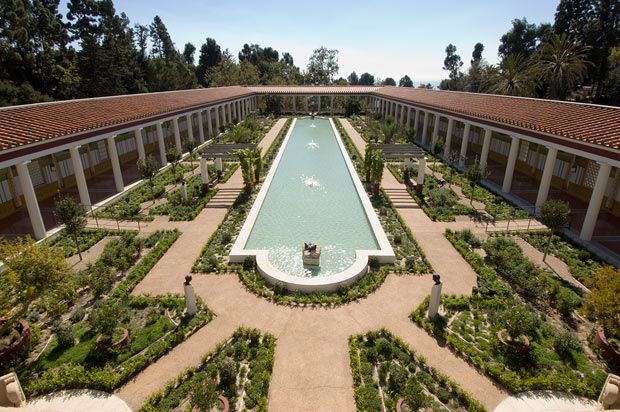
Villa
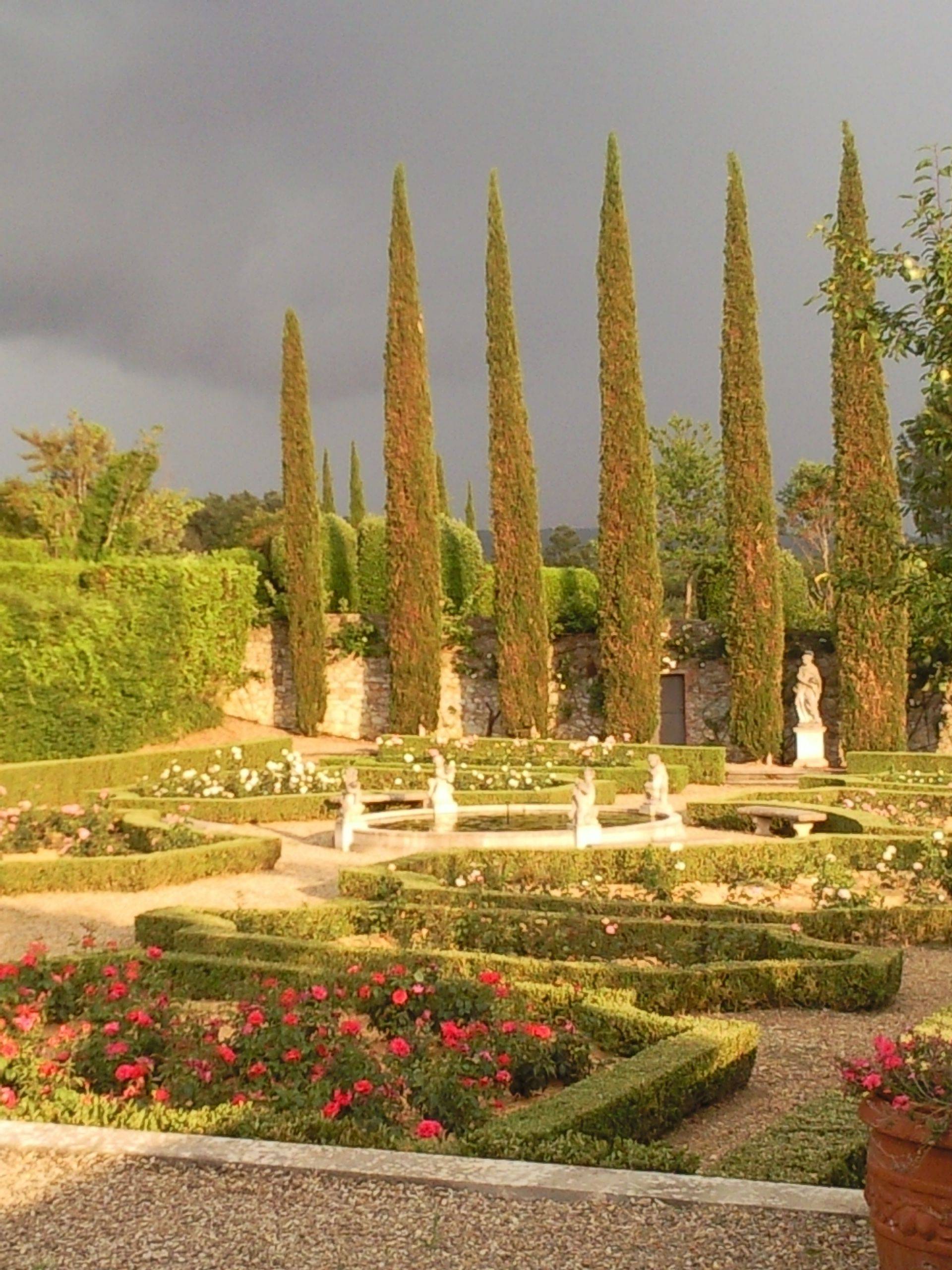
Palace & Imperial
Domus Aurea of Nero, Hadrian's Villa