18th Century Austrian Garden Design
Schloss Klessheim
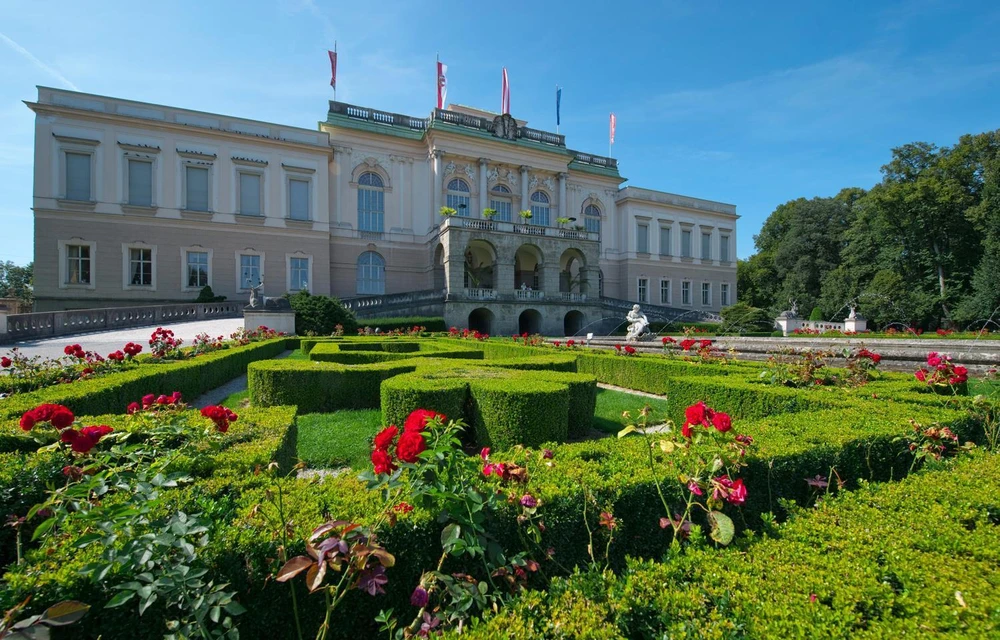
The site originates in 1690, in what is presently recognized as Salzburg, Austria. Archduke Ludwig Viktor built the winter palace, during the Austro-Hungarian Monarchy. The main palace was connected with a tree lined avenue, an ornamental garden and a pheasant garden, with small guardhouses.
Augarten
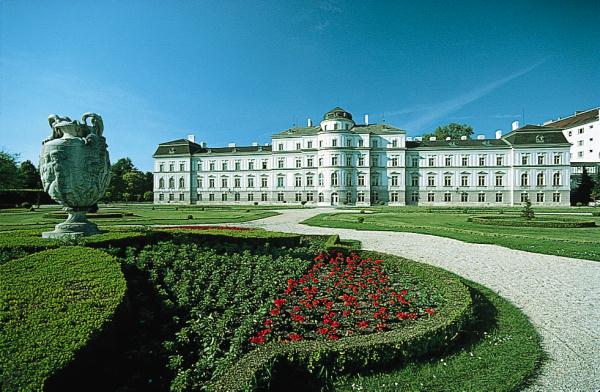
The origins of the Augarten in Vienna are of the floodplain of the Danube river, and once a Royal Hunting Garden. The Palace was constructed in the mid 1600's and was re-developped once the infrastructure was built to control the river surge. It wasn't until the beginnign of the 18th century that an architect was commisionned to design a Baroque garden that was opened to the public in 1775, as the first imperial garden.
The gardens are organized in quadrants, separated by gravel paths surrounding lawns lined with neatly trimmed hedges, and a parterre gardens that include flower beds with a central sculptures. Trees are planted along the outter edges as a natural fence. Conical shaped Cedar Trees are sparingly planted throughout.
Schloss Neuwaldegg
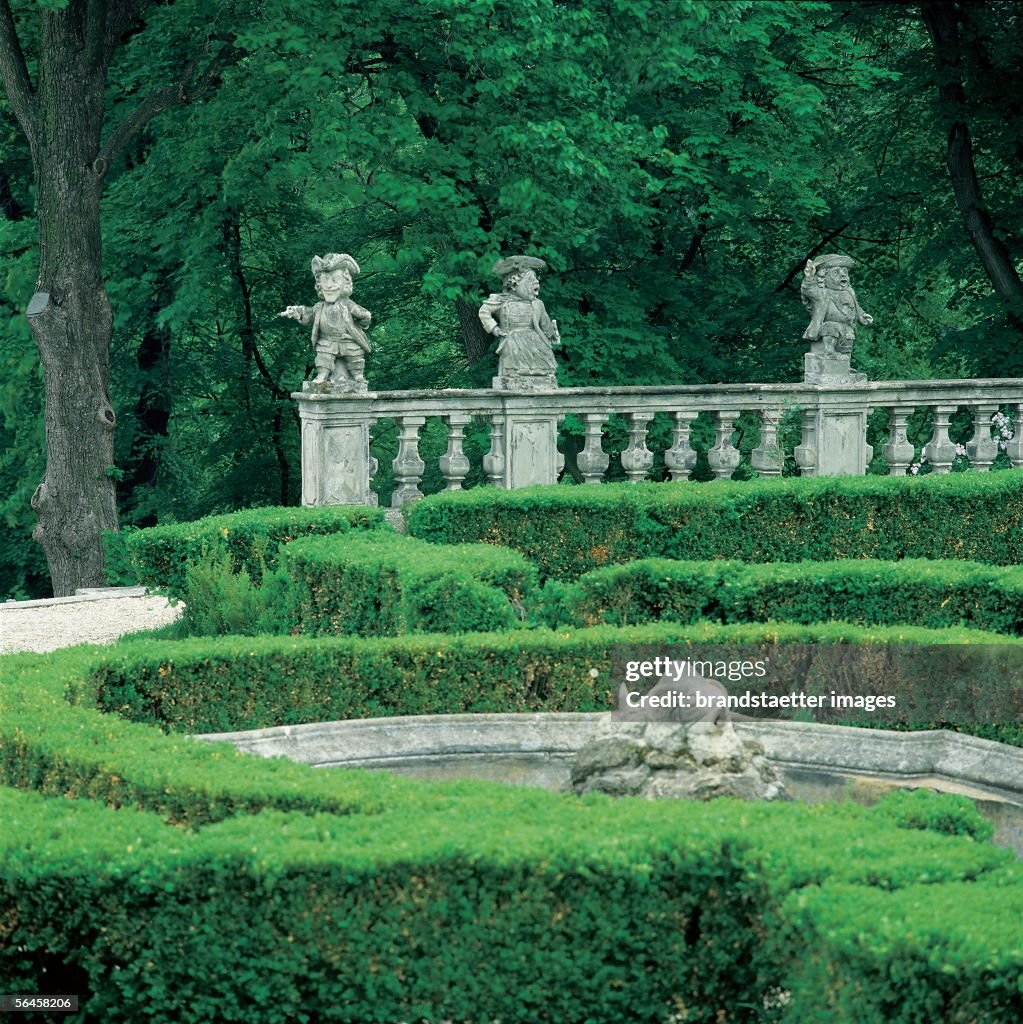
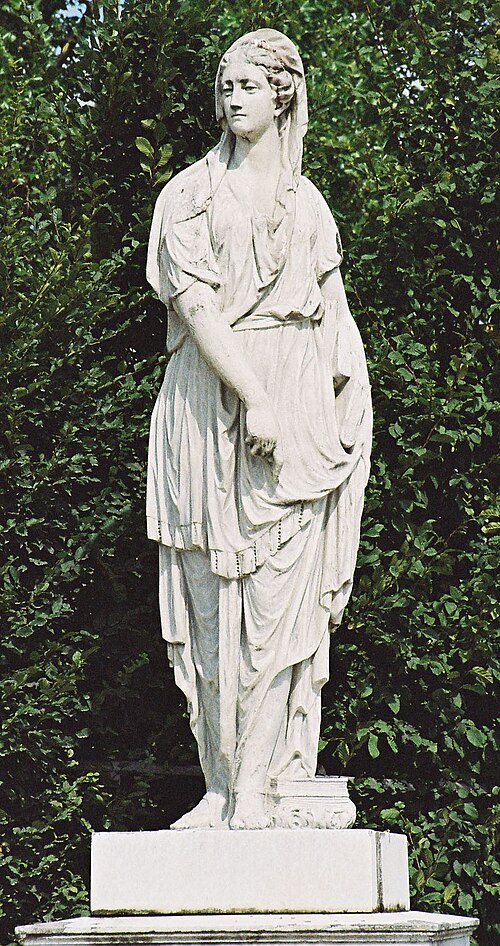
The garden planted in the turn of the 18th century began as a Formal garden, and was opened to the public nearly a hundred years later. When the palace was purchased by the noble house of Schwarzenberg, and changes were made to the estate, including the addition of Greek statues.
Hermesvilla
Eggenberg Palace
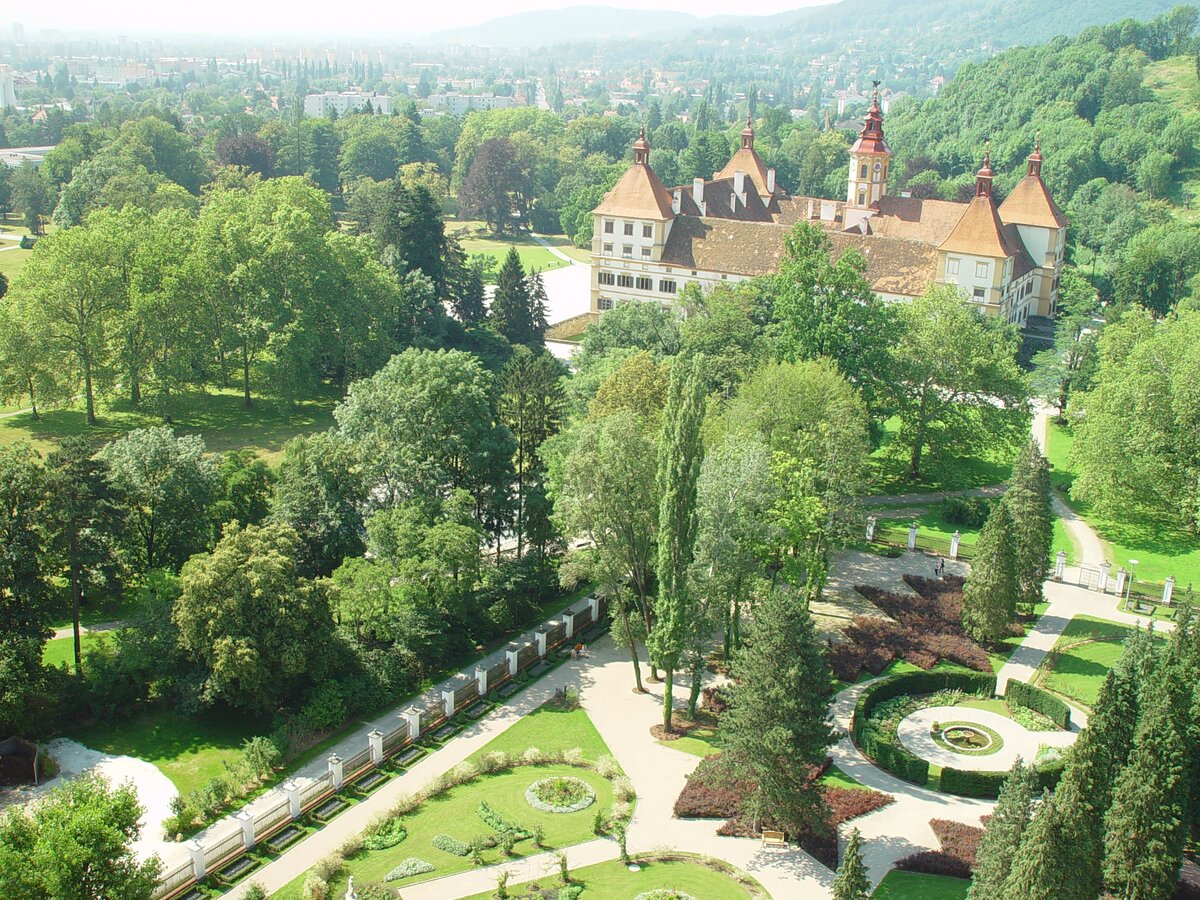
The Egenberg Paalce is a World Heritage Site, with succedding generations, everchanging the landscape and gardens since the 17th century. It consists of an Italian Garden, Pheasant Gardens, Parterres, Bosquest Areas, Aviaries and Fountains. It was restructure as a French Garden in 1770, and again in the end of the 18th Century in the Enlightenment era transformed it into a English Romantc garden with labyrinths, fountains, straight paths, hierarchical pattern as a "return to nature" created artificial vistas, winding pathways and a Rose Mound. Peacocks were added to Eggenberg Schloss Park in recent years. Most recently, the Planetary Garden was constructed in 2000, with a Lapidarium, an Orangery, with roman stonework, a subterraneum showroom made in a contemporary playful garden fashion.
Schonbrunn
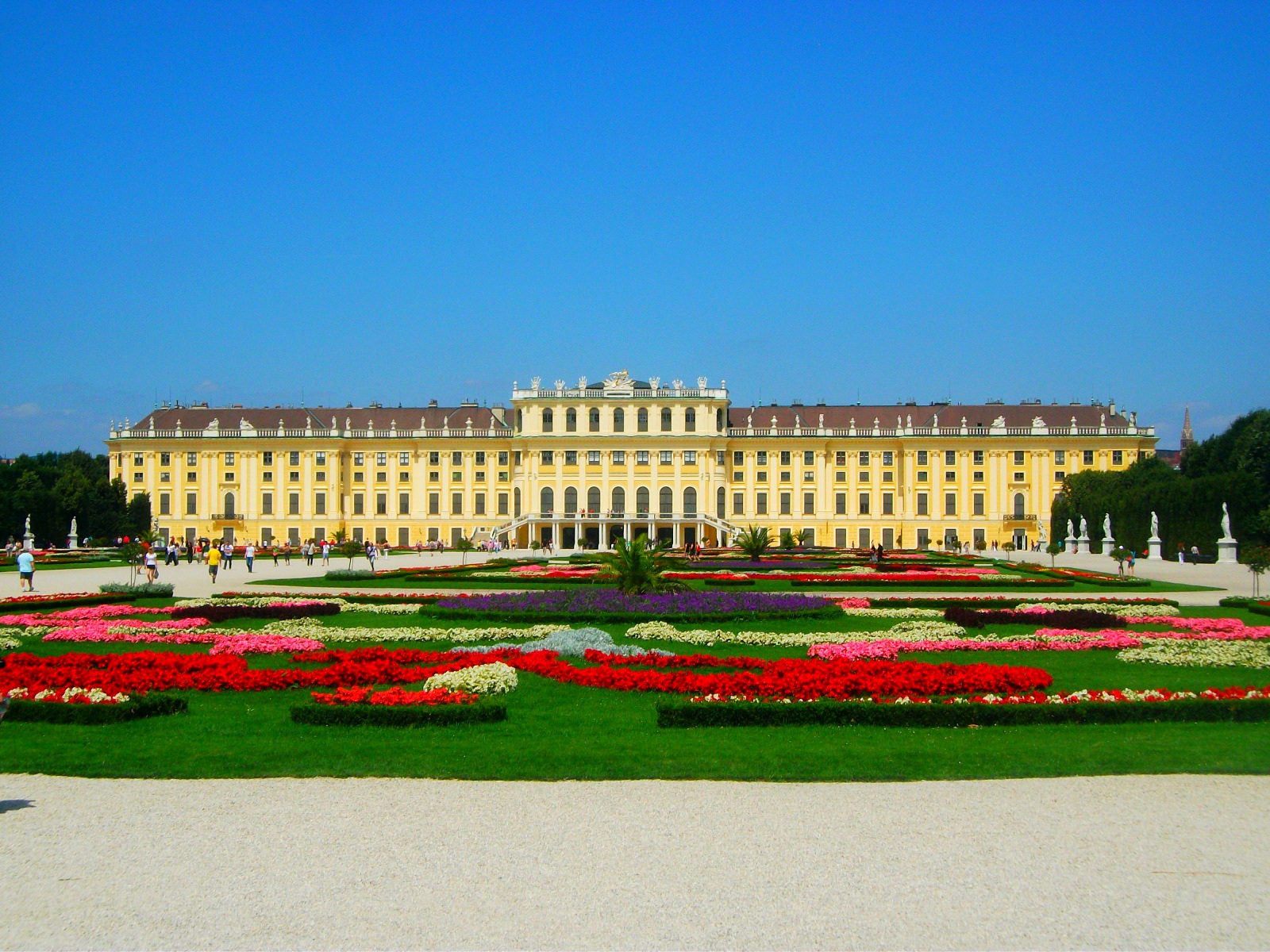
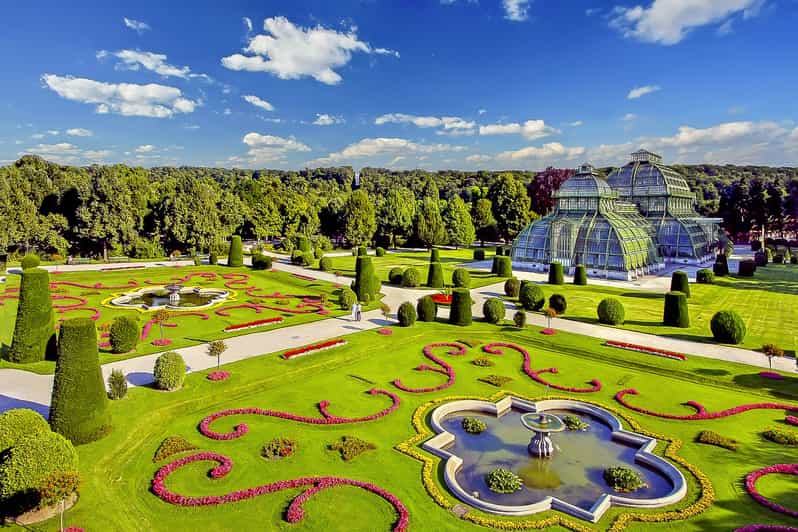
The Great Parterre was designed in 1695 and includes a Tiergarten, an Orangery, a Palm House, a Botanical Garden and Arboretum and over 30 sculptures made between 1773-1780. The Gloriette garden was made in 1775 sits on a hill, above the Neptune Fountain and the Great Parterre. Finally, the Roman Ruin built in 1778 pays tribute to the romantic movement, the preservation of great powers, symbolized by massive archs and walls.