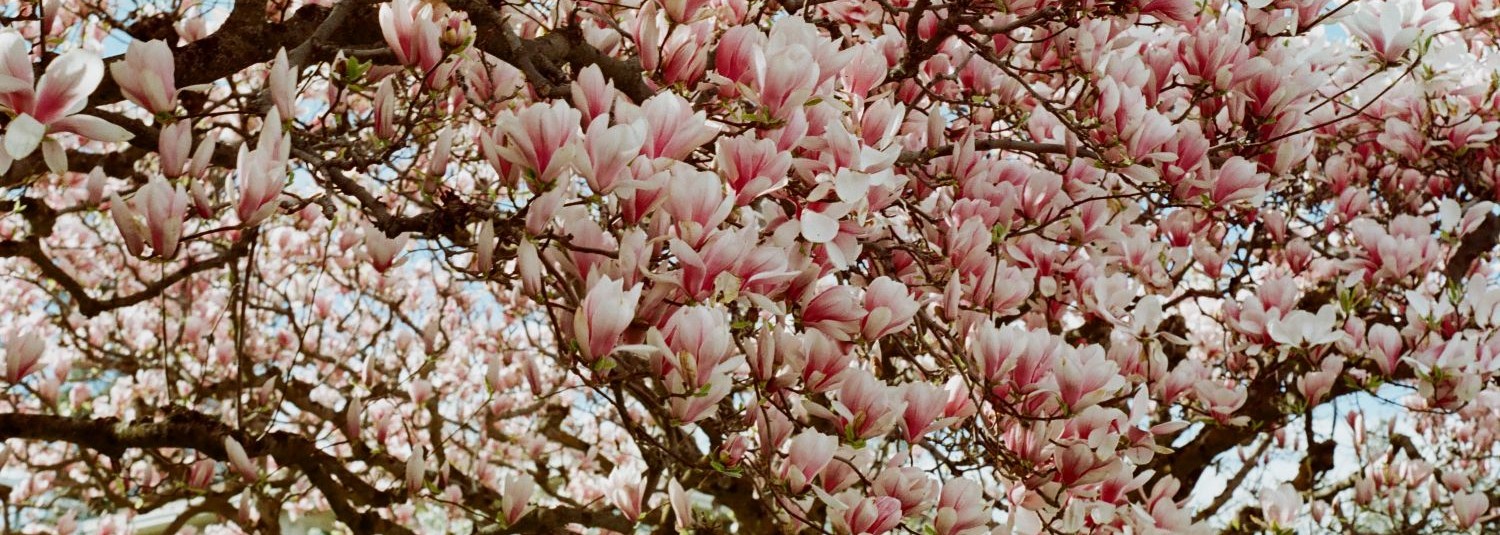
The Story of Roses
Original cultivation of European roses predates Christ and first began with the genus; Gallica (gallica officinalis) referred to as "the apothecary's rose".
Egyptian history records the cultivated Mediterranean genus R. damascena, the Damask rose. These and other varieties are found in Greece and all throughout the Roman Empire during that period.
At around 100 A.D. Alba roses descended from the Gallica genus, these crossed with the Dog rose (R. canina) and rose in popularity throughout the Renaissance. Many Italian paintings include the R. Alba.
During the period around 1500, the Centifolia Rose was produced by Dutch hybridizers. R. centifolia is known as the "cabbage rose".
In 1696 Moss roses derived from a cross of the Damask and China roses. European development grew in the 18th century, along with the popularity of the China rose (Rosa Chimensis).
The first tea rose (R. odorata) debuted shortly after. The new European class of roses had difficulty breeding a cross between the China rose and Damask, yet the Bourbon roses came eventually to be.
Hybrid Bourbons are similar only in that they bloom once annually. Hybrid Perpetuals are intercrossed; China, Bourbans, Portlands (which is a cross of China and Teas) and Tea roses. These began growing in the mid 1800's and developed into more than 4000 varieties. In the United States, in the early 1800's, the first hybrid rose to be bred from the Musks rose (R. moschata) crossed with the Tea roses, named the Noisette.
Hybrid Perpetuals and Tea roses were crossed in 1860's creating the classification of Hybrid Teas. In the turn of the 20th century, yellow roses grew in the strain R. foetida, the new class of Pernetiana roses. Yet, this class soon was categorized as Hybrid Teas in the 1930's.
Miniature roses (R. chimensis minima) became popular in the early 1800's in France, then disappeared and reappeared in Switzerland in the 1920's.
Hybrid Musks were introduced in the 1920's which were versions of the Noisettes, crossed with Rosa multiflora ramblers. Rosa multiflora crossed with Tea and China roses created Polyanthas. A French rose that was made the same time as the Hybrid Teas.
Hybrid Polyanthas are also known as Floribundas. The word translates to "flowers in abundance" as it has many blooms.
In the 1950's, Grandiflora's were classified as a intermediate between Hybrid Teas and Floribundas as they're born in clusters, like Floribundas but grow tall like Hybrids.
Shrub roses have always had a roll throughout history and contributed to the development of modern roses. These vary from native species to Sweetbrierbs (R. rubiginosa), Rugosas (R. rugosa), Nevada, Chestnut (R. roxbughii) Austrian Copper (R. foetida), and Kordesii roses.
Hybrid Teas
| Name | Color | Flower | Growth | Image |
|---|---|---|---|---|
| First Love (1951) | Rose–Pink | 6–9 cm, double, light fragrance | Vigorous, disease resistant | 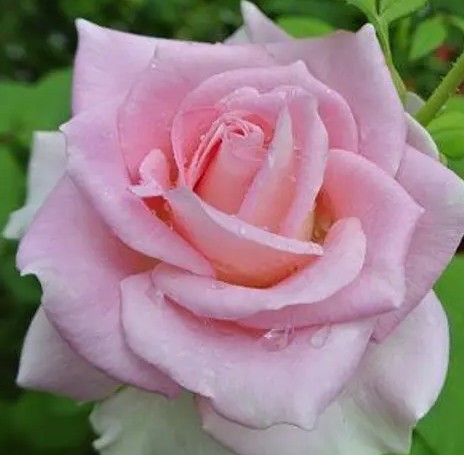 |
| Confidence (1951) | Light Yellow | Large double, moderate fragrance | Dark foliage, bushy | 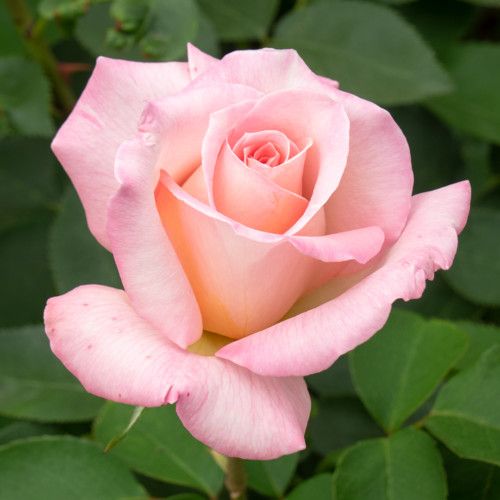 |
| Red Masterpiece (1974) | Dark Red | 15 cm, heavy fragrance | Profuse blooming | 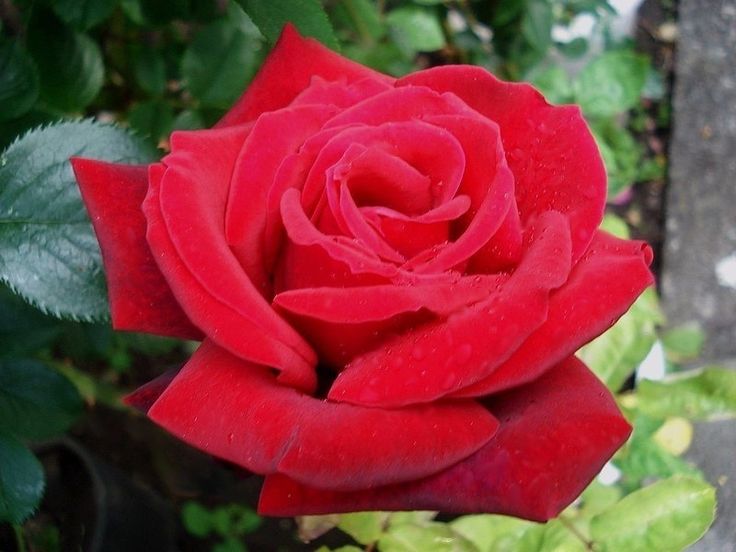 |
Floribundas
| Bon Bon (1974) | Rose–White | 8.9 cm, moderate fragrance | Very prolific | 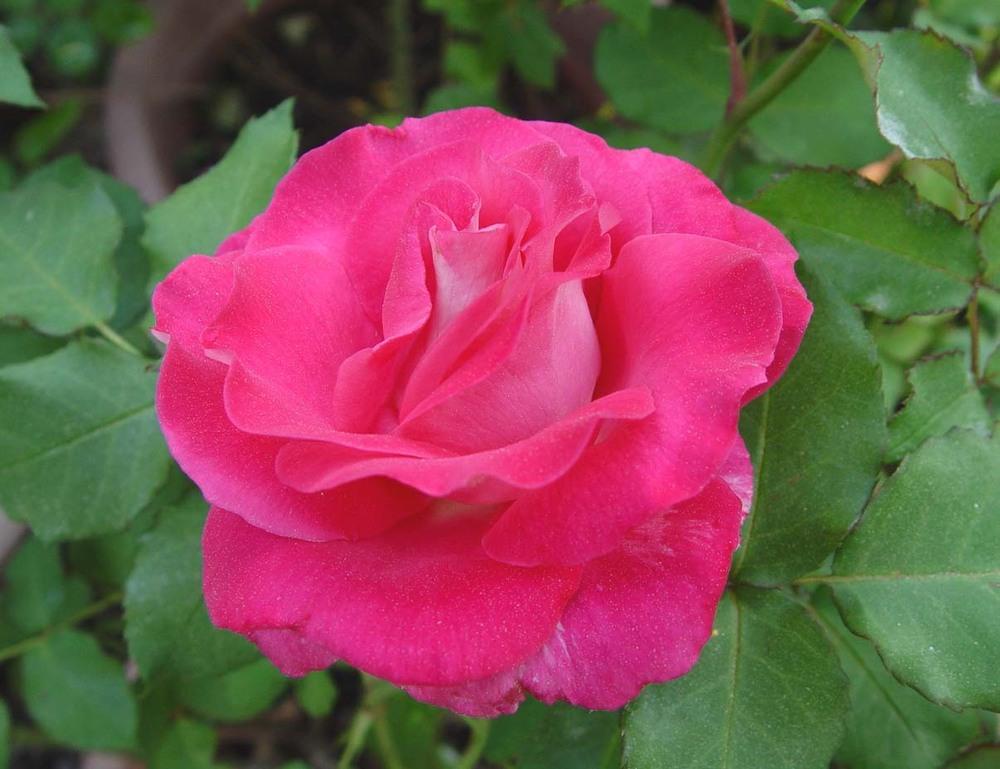 |
| Garnet (1951) | Garnet Red | Small, long lasting | Susceptible to mildew | 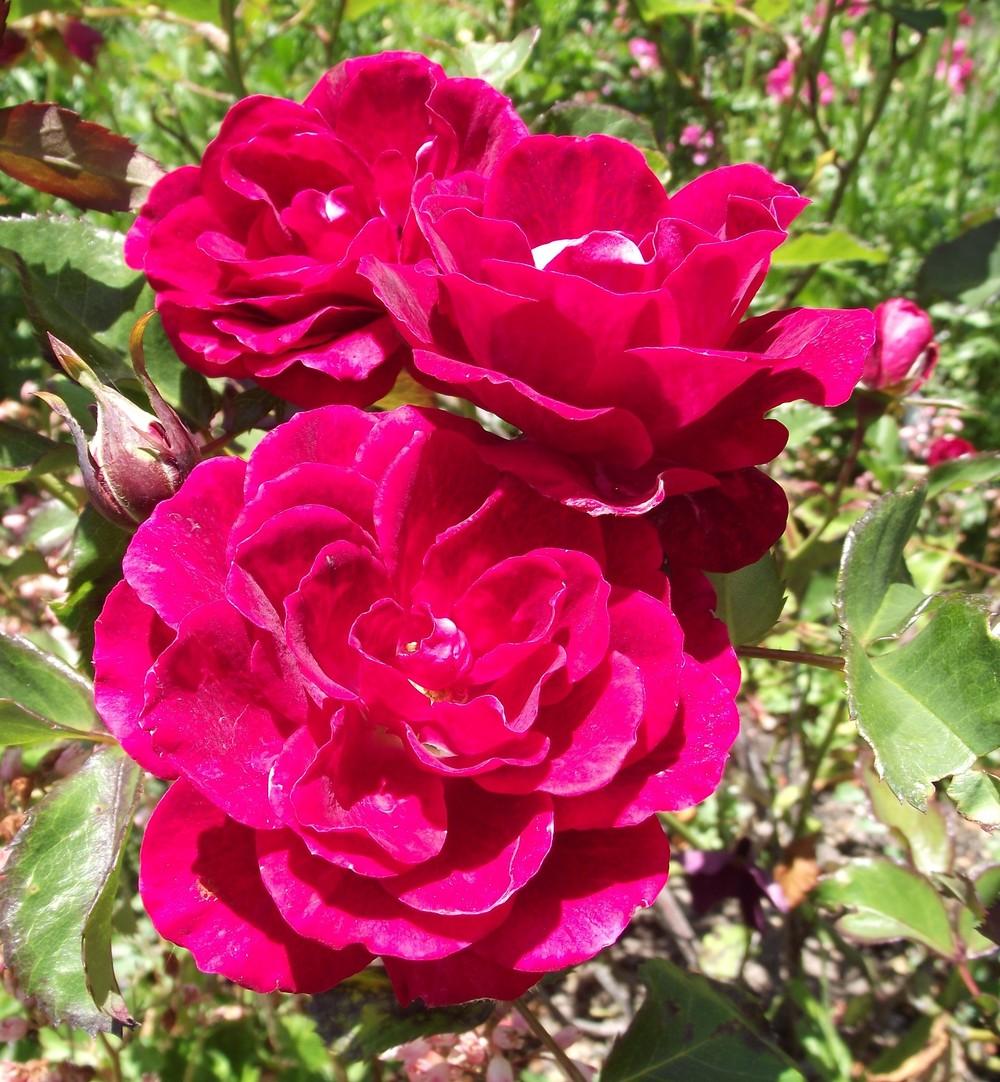 |
| Vogue (1951) | Cherry Coral | Large, moderate fragrance | Vigorous, bushy | 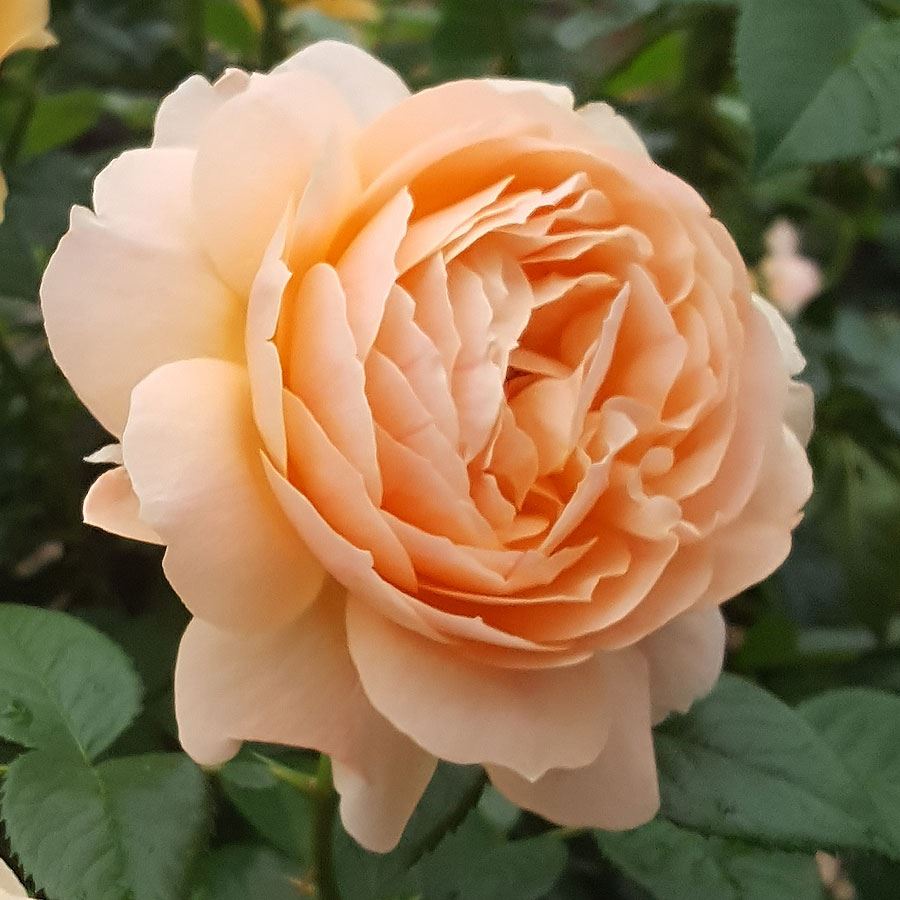 |
Grandifloras
| Arizona (1975) | Golden Copper | Large double | Tall growth | 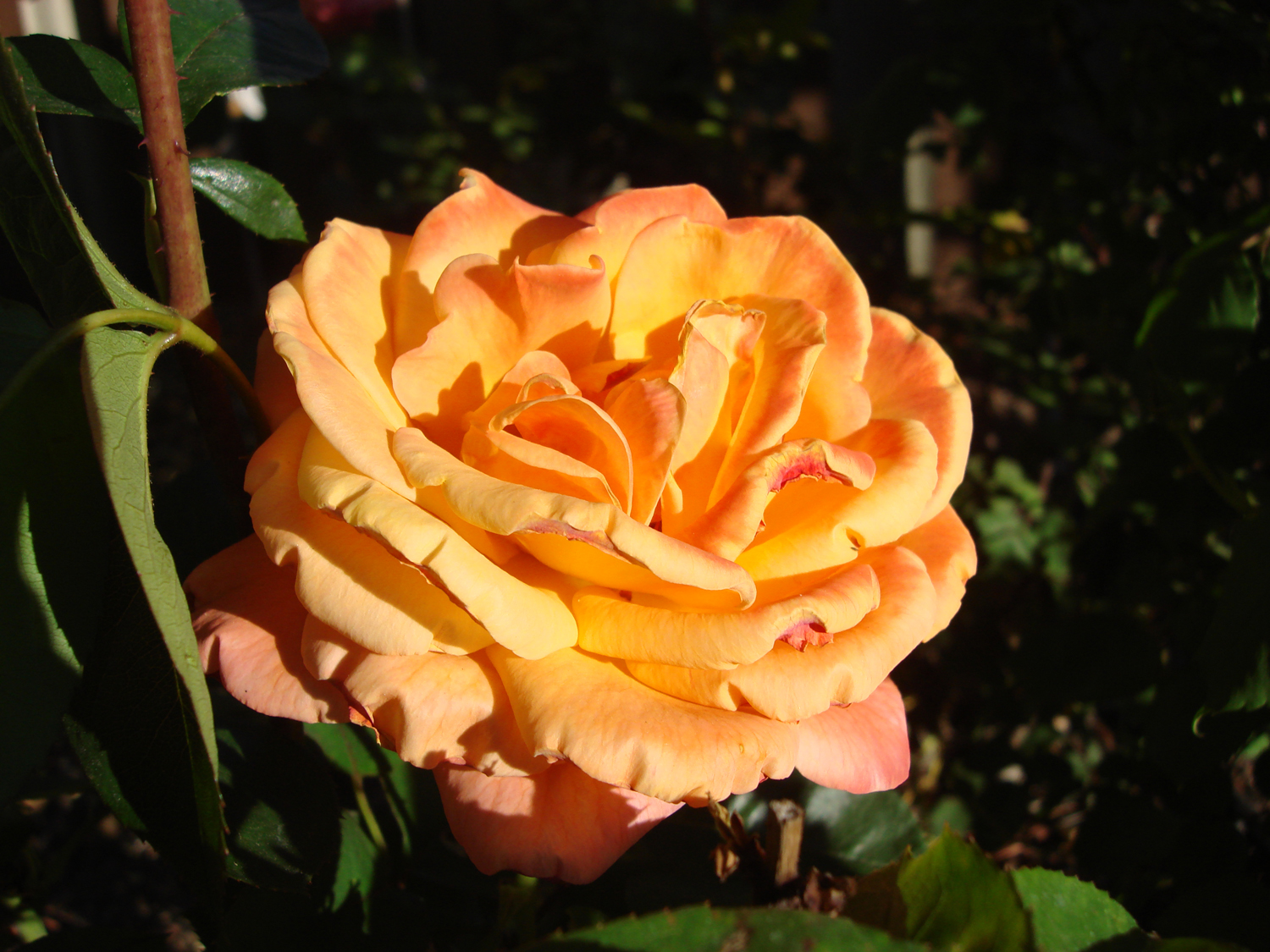 |
| Mount Shasta (1963) | White | Large, moderate fragrance | Cold hardy | 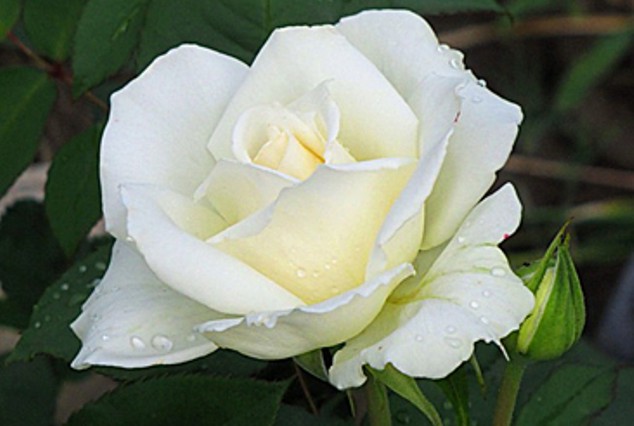 |
| Queen Elizabeth (1954) | Rose Pink | Large clusters | Very vigorous | 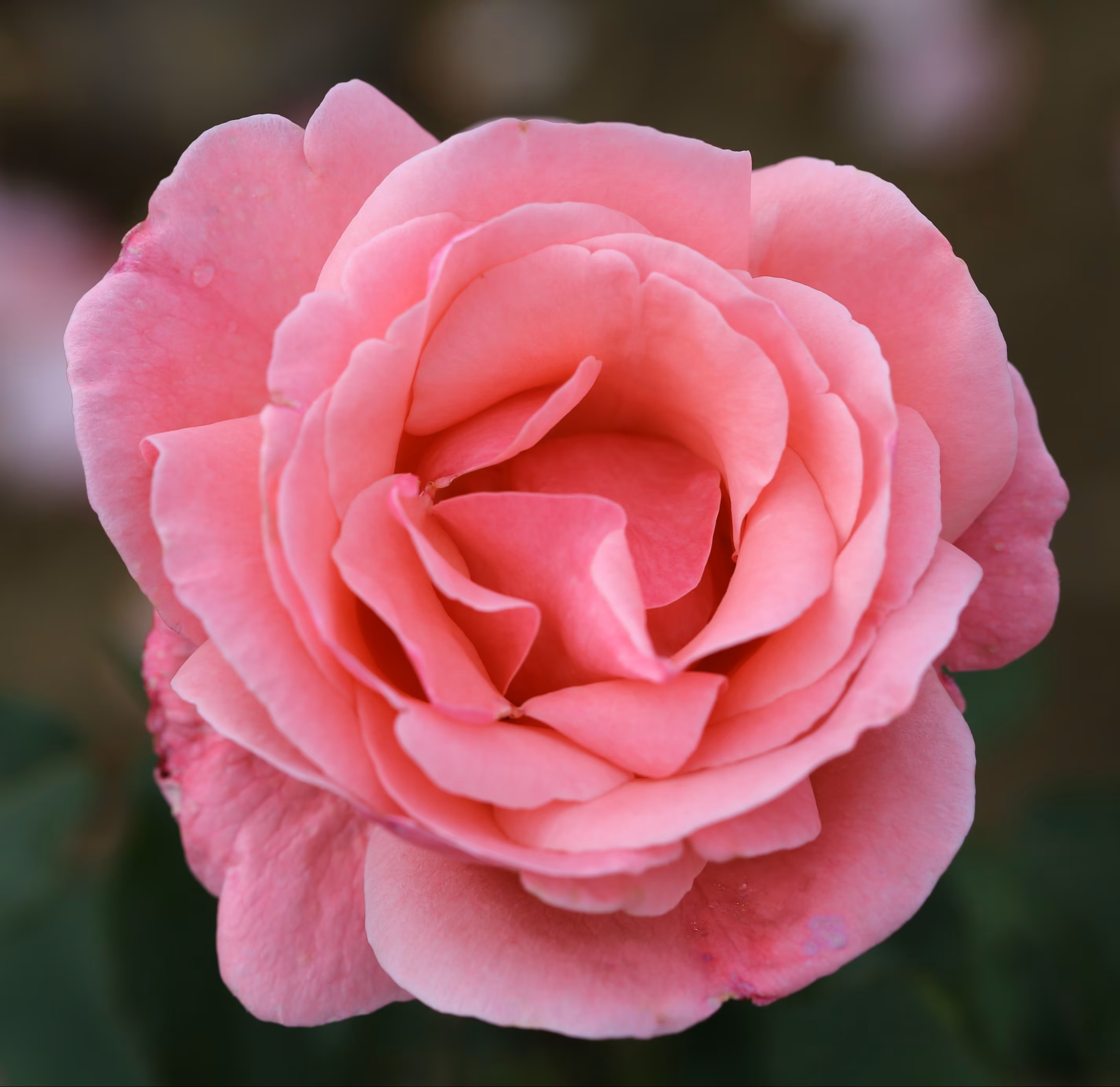 |
Climbers
| Blossomtime (1951) | Pink | Large, fragrant | Low-growing climber | 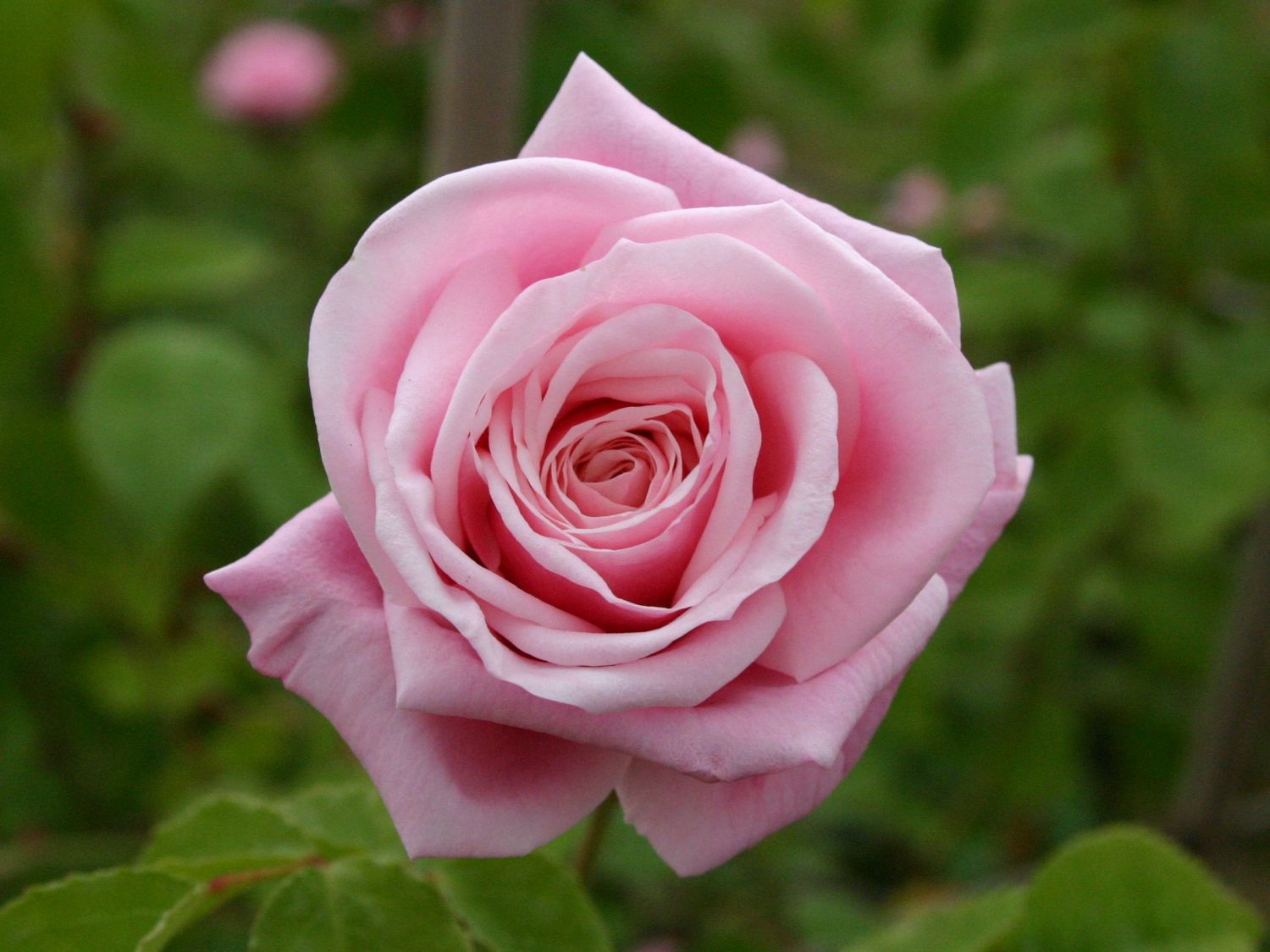 |
| Coral Satin (1960) | Coral | 8.89 - 10.25 cm Double (25 petals), moderate fragrence | Glossy, leathery, Large-flowered climber, profuse bloom | 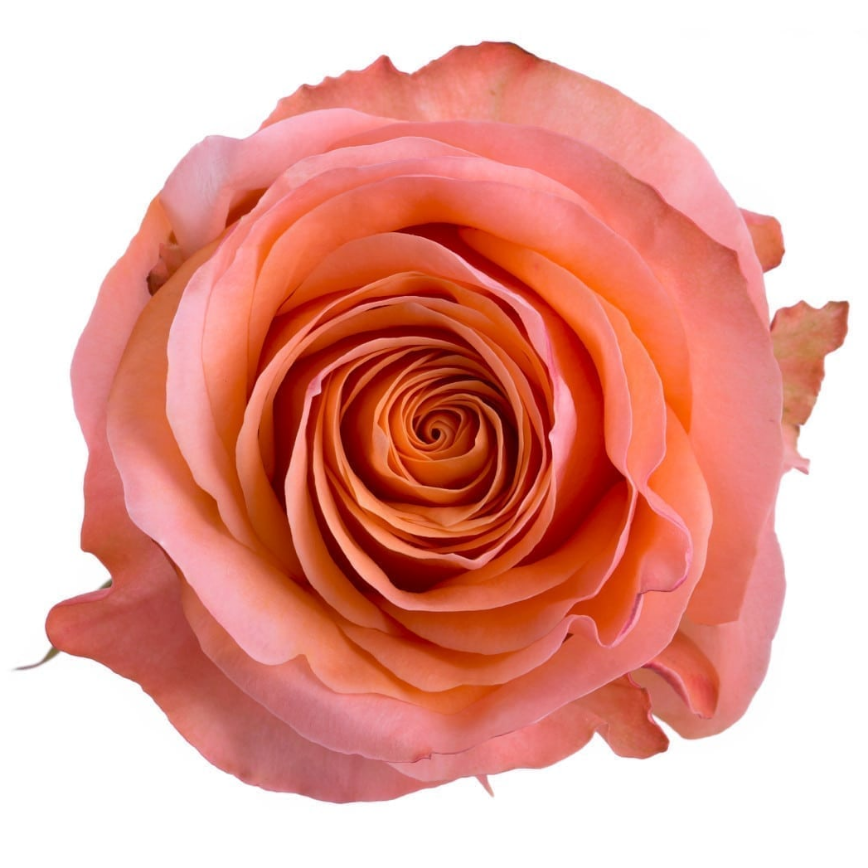 |
| Golden Showers (1956) | Yellow | Large blooms | Almost thornless | 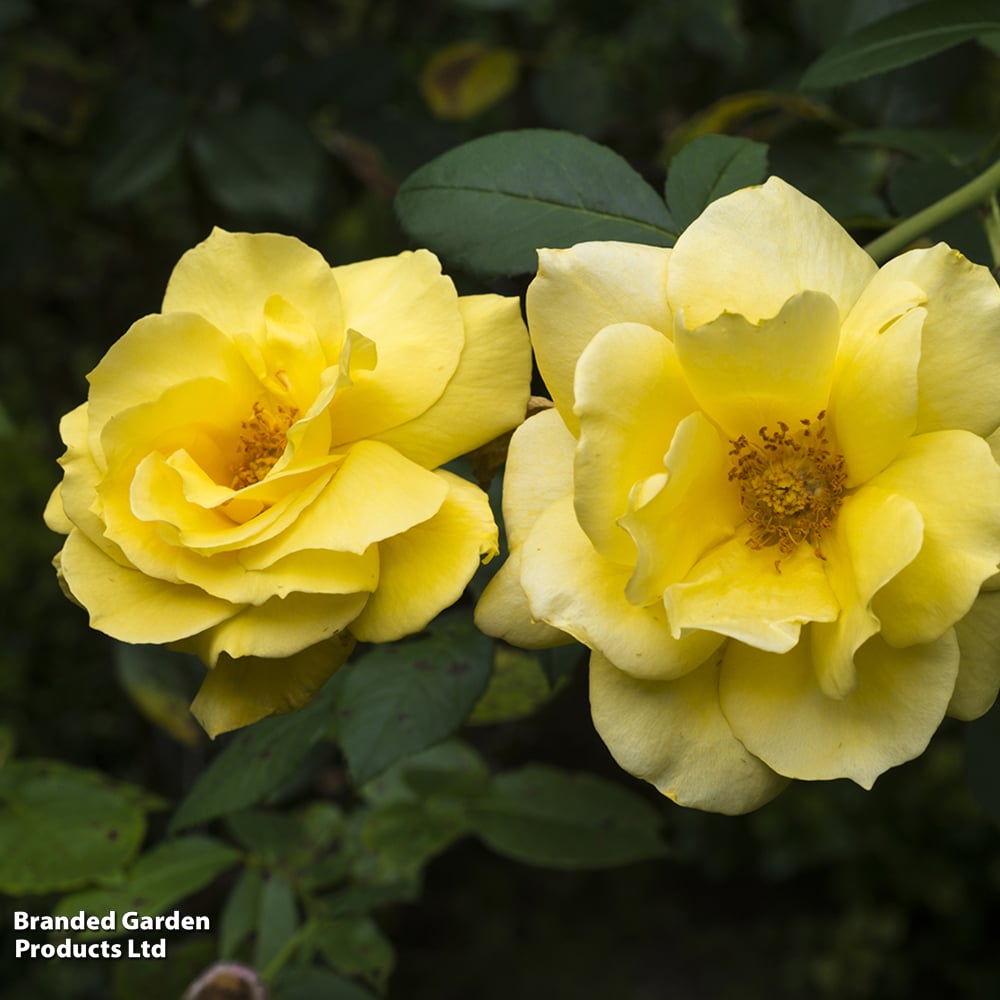 |
Miniatures
| Beauty Secret (1965) | Cardinal Red | Very fragrant | Abundant bloom |  |
| Fire Princess (1969) | Orange-red | 4.5 cm Double, no fragrence | Glossy, leathery, vigorous, bushy | 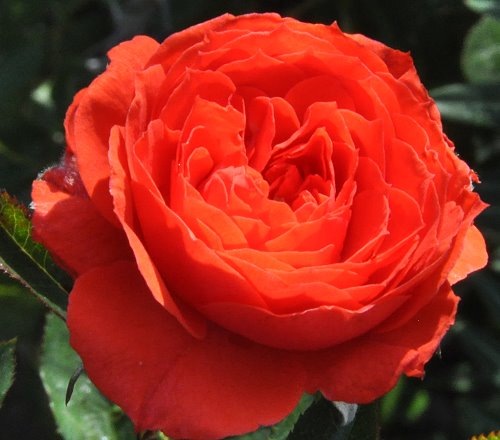 |
| Judy Fisher (1968) | Rose-pink | 3.9 cm Double, no fragrence | Glossy, leathery, Large-flowered climber, profuse bloom | 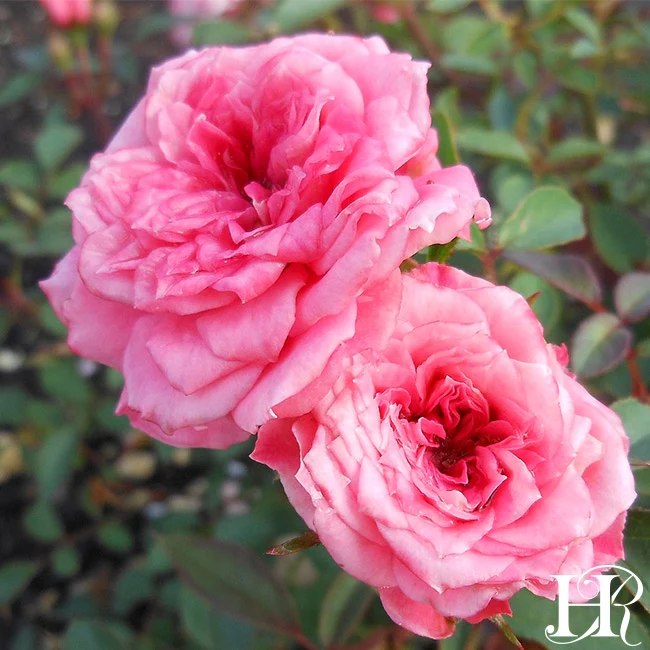 |
| Lavendar Lace (1968) | Lavendar | 3.9 cm Double, moderate fragrence | Glossy, vigorous and bushy | 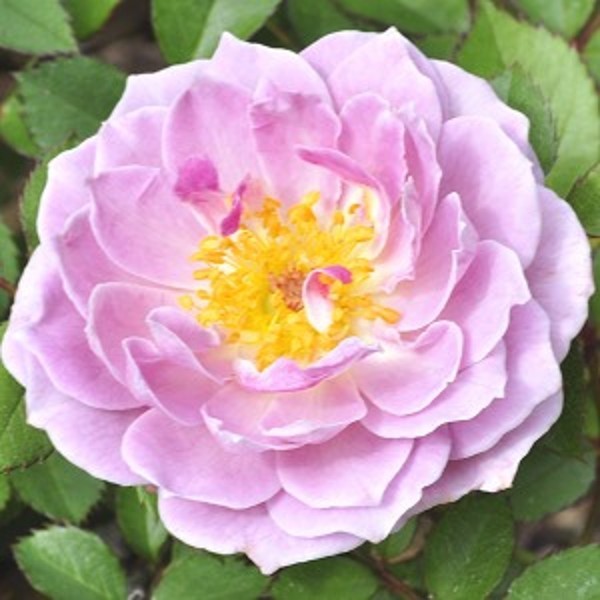 |
| Over the Rainbow (1974) | Red and yellow | 4.5 cm Double, no fragrence | Leathery, medium green; abundant, continuous bloom | 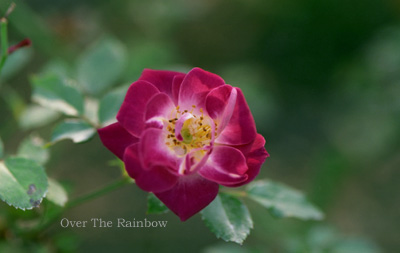 |
| Windy City (1974) | Pink | Small, long lasting | Disease resistant | 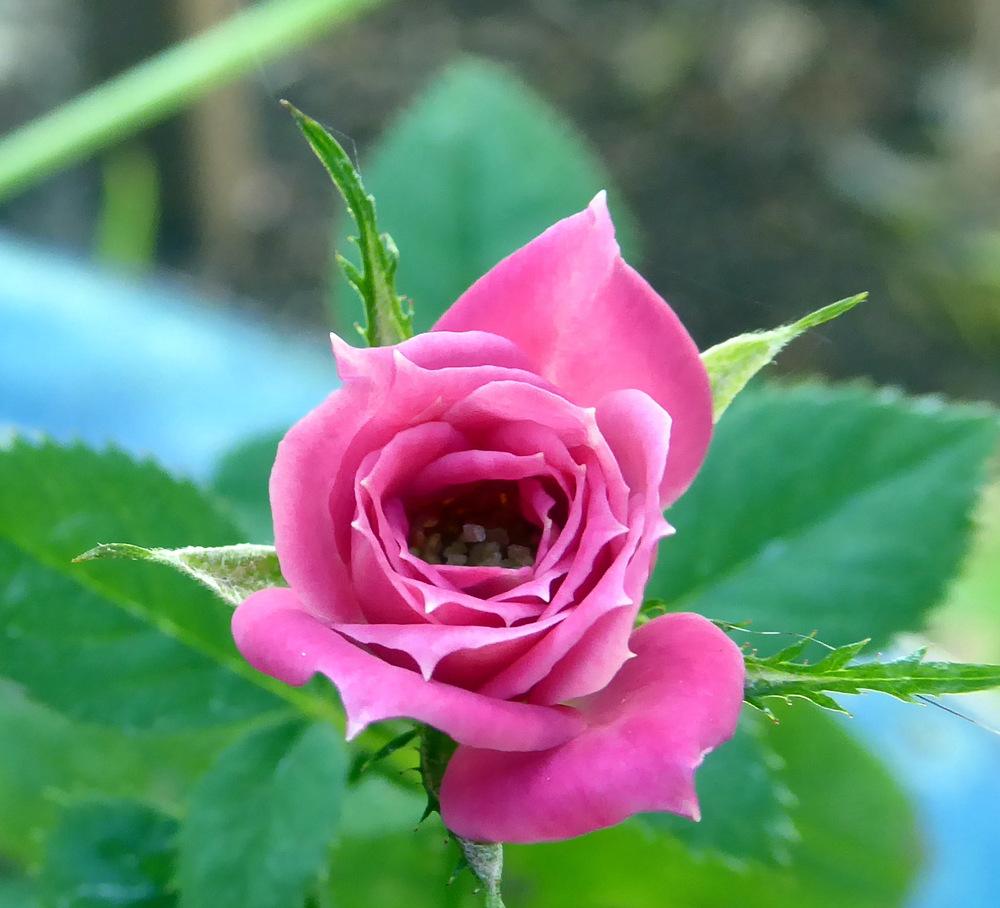 |